Whale Watching Horta
Tours & tickets

Hand-picked by our editors — only the best 5 marine research expeditions from 12 reviewed.

Open today 00:00 – 23:59
Attendance: Light — morning arrivals
Expeditions depend on weather conditions
Free cancellation Instant confirmation Mobile voucher Verified partner Small-group expeditions
Tickets

Choose your ticket

Verified partners for every tour, free cancellation where available, and instant confirmation on every booking.

Whale & Dolphin Watching Excursion from Horta 4 hr
Guided Experience

Whale & Dolphin Watching Excursion from Horta

4.9 (36)
€80
per person
Instant Mobile voucher Flexible — change up to 24h

Four-hour Atlantic voyage to encounter sperm whales, dolphins, and other marine species in Faial's pristine waters

Reserve
Marine Research Whale & Dolphin Expedition 3 hr
Standard Entry

Marine Research Whale & Dolphin Expedition

4.8 (115)
€86
per person
Instant Mobile voucher Flexible — change up to 24h

Join marine scientists on a research-led expedition to encounter cetaceans in their Atlantic habitat

Reserve

Prices from verified partners. Availability updates in real time at checkout. Free cancellation policies apply where shown.

What you'll do

Inside a tour, step by step

  1. 01 30 min

    Scientific Briefing

    Meet at the Naturalist Science & Tourism Whale Watching Horta lab at Cais de Santa Cruz for an introduction to cetacean ecology.

  2. 02 15 min

    Harbor Departure

    Board the rigid inflatable boat and navigate out of the Horta marina into the Faial-Pico channel.

  3. 03 2 hours

    Guided Search and Observation

    Locate and observe sperm whales and dolphins under the guidance of onboard marine biologists using hydrophone listening.

  4. 04 45 min

    Data Collection and Return

    Assist researchers in taking photo-identification shots of whale flukes before returning to Faial Island.

Highlights

What you'll see inside the attraction

The landmarks, rooms, and views travelers on this tour remember — all visible on a single visit.

Base Lab Exhibition Room

This space showcases marine mammal skeletons and research equipment used to study the Azores ecosystem. Visitors can examine anatomical models of dolphins and review data collected over 10 years of monitoring. It serves as the educational briefing center before expeditions depart.

Acoustic Listening Station

Equipped with a custom hydrophone system, this setup allows passengers to listen to vocalizations underwater. Sperm whales can be heard clicking from up to 10 kilometers away as they hunt in deep trenches. Marine researchers use these acoustic signals to track the movements of diving pods.

RIB Research Vessel

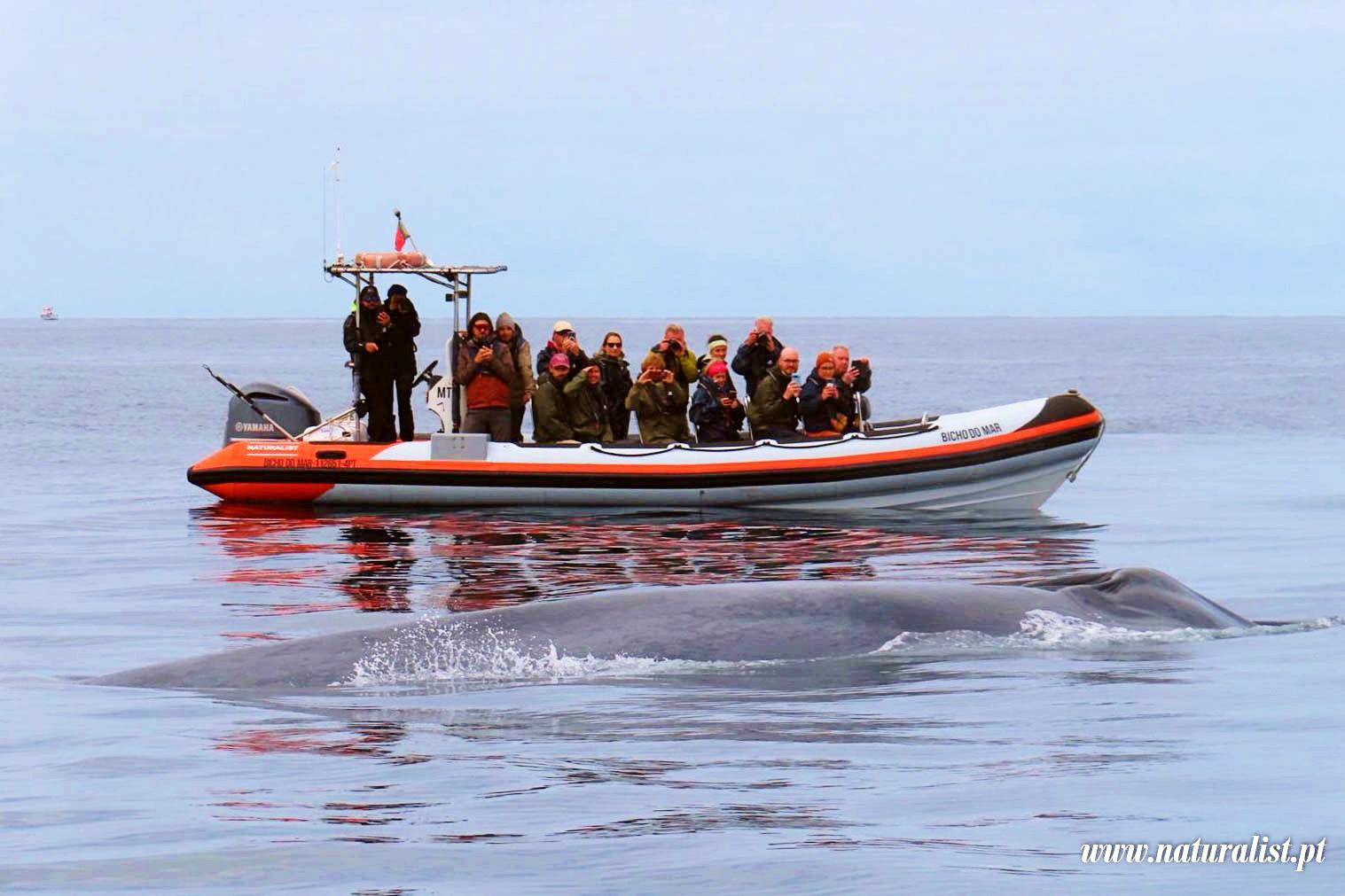
This 12-to-14-passenger semi-rigid inflatable boat is built to navigate the open Atlantic waters safely. It functions as a mobile research platform, allowing scientists to gather water samples and take dorsal fin photos. The vessel's low profile minimizes noise disturbance to nearby cetaceans.

Photo-ID Database Station

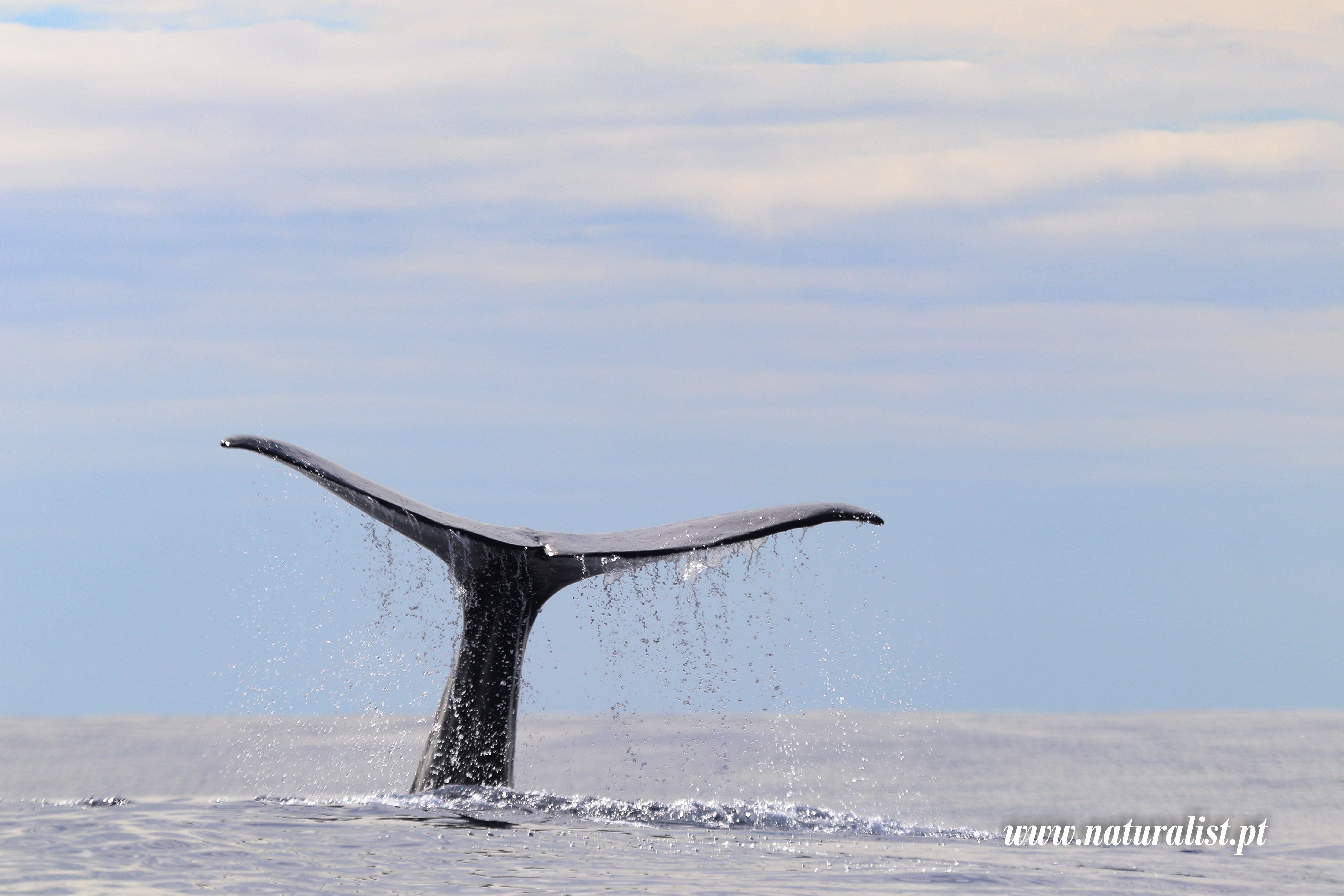
Here, researchers catalog high-resolution images of whale flukes to monitor local family groups. The database tracks over 100 individual sperm whales that return to the Faial-Pico channel regularly. Each fluke pattern is unique, acting like a human fingerprint for identification.

Vigia Shore Lookout

This network utilizes land-based spotters stationed in historic clifftop towers around Faial Island. Using high-powered binoculars, spotters can locate a blow up to 30 kilometers offshore in clear weather. They guide the research boat in real-time, significantly increasing the likelihood of successful encounters.

Head to head

Naturalist Science & Tourism Whale Watching Horta vs General Commercial Operators

While standard excursions focus on sightseeing, booking naturalist science & tourism whale watching horta tours connects you directly with marine biologists. Both options deliver high sighting rates on a typical Horta whale watching trip, with land-based lookout points guiding the boats to the animals. However, those seeking educational depth will find a naturalist science & tourism whale watching horta tour far more rewarding.

Feature Top pick Naturalist General Operators
Approach to Marine Life
Standard recreational sightseeing and viewing
Role of the Guide
Local nature guides or boat skippers
Educational Content
Basic species identification and general facts
Vessel Type
Catamarans and semi-rigid inflatable boats
Group Size
Up to 50 passengers on catamarans
Primary Goal
Sighting efficiency and tourist entertainment

Verdict: Ultimately, purchasing naturalist science & tourism whale watching horta tickets supports university-backed conservation work, while general commercial outings suit travelers seeking basic leisure sightseeing.

How your ticket works

Book your ticket in 3 steps

  1. 01

    Book online

    Choose your ticket, select your date, and reserve in under two minutes. Secure checkout handled by our verified partner.

  2. 02

    Receive your mobile voucher

    Instant confirmation by email, with a mobile voucher you can save offline. No printing, no queuing at a collection desk.

  3. 03

    Show & enter

    Arrive at the entrance, show your voucher on your phone, and walk in. Most tickets include priority or skip-the-line access.

Plan your visit

Everything you need to know before you go

Practical details for your visit straight from our verified partners — hours, access, rules, and how to get there.

Open today · 00:00 – 23:59
Opening Hours
00:00–23:59
Address
Cais de Santa Cruz, Loja A1, 9900-026 Horta, Faial, Azores
Best Arrival Window
08:45–14:00 — Arrival before morning or afternoon boat expedition departures
Baggage Policy
Small daypacks allowed on boat tours; store large luggage at the base lab
Base Lab Entry
0 EUR (Free entry to base lab; activity costs apply for tours)
Mon
00:00 – 23:59
Lab access only
Tue
00:00 – 23:59
Lab access only
Wed
00:00 – 23:59
Lab access only
Thu
00:00 – 23:59
Lab access only
Fri
00:00 – 23:59
Lab access only
Sat
00:00 – 23:59
Lab access only
Sun
00:00 – 23:59
Lab access only
Main entrance

Naturalist Base Lab

Cais de Santa Cruz, Loja A1, 9900-026 Horta, Faial, Azores

Arrive 15 minutes before the scheduled departure time for Naturalist Science & Tourism Whale Watching Horta. Look for the Naturalist logo near the marina.

Address
Cais de Santa Cruz, Loja A1, 9900-026 Horta, Faial, Azores
Baggage Policy
Small daypacks allowed on boat tours; store large luggage at the base lab
Base Lab Entry
0 EUR (Free entry to base lab; activity costs apply for tours)

How to get there

🚶
Walk · 5 min · 0 EUR

Walk along the main harbor street to reach the Naturalist Science & Tourism base lab in Horta.

🚆
Ferry · 35 min · 5.40 EUR

Take the Atlanticoline ferry from Madalena (Pico) to the Horta passenger terminal, then walk 5 minutes south.

🚕
Taxi · 15 min · 15.00 EUR

Hire a local taxi from Horta Airport (HOR) directly to the Cais de Santa Cruz terminal.

Dress code

For the Naturalist Science & Tourism Whale Watching Horta experience, dress in warm layers, as wind temperatures on the water are lower. Windproof jackets, long trousers, and flat, rubber-soled shoes are required for boarding the semi-rigid inflatable boats.

Bags & security

For security on Horta whale and dolphin watching cruises with Naturalist, only small bags are allowed. Larger luggage can be safely stored at the Cais de Santa Cruz base lab during your trip.

Photography

Camera gear is welcome, but waterproof protection is highly recommended to guard against saltwater spray. Flash photography and drone use are strictly prohibited on all Naturalist Science & Tourism ocean expeditions.

Accessibility

While the boat tours are not suitable for mobility-impaired visitors, the Naturalist Science & Tourism Whale Watching Horta laboratory is fully step-free. The shore-based office and briefing area at Cais de Santa Cruz, Loja A1 are accessible to visitors with limited mobility.

Mobile phones

Mobile phones should be kept in waterproof pouches or secured pocket straps. Keep devices on silent during the marine biologist briefings to ensure all participants can hear the safety instructions.

What to bring

  • Warm windproof jacket
  • Waterproof phone pouch
  • Reusable water bottle
  • Polarized sunglasses
  • Sunscreen
  • Flat non-slip shoes
  • Camera with waterproof strap

Not allowed

  • Drones
  • Single-use plastics
  • Diving gear
  • Animal feed
  • Strobe flash equipment
  • Large suitcases
  • Unsecured tripods
  • High-heeled shoes
  • Harpoons or fishing gear
  • Alcoholic beverages
  • Loud speakers

Families & strollers

Families with older kids will enjoy the educational focus of Naturalist Science & Tourism Whale Watching Horta outings. Children under the age of 5 are not permitted on the standard boat tours for safety reasons on the open Atlantic waters.

Food & drink

No food or drink is provided on the water. You can learn about local ecosystems during Naturalist Science & Tourism marine biology tours in Faial, but visitors are encouraged to bring a reusable water bottle for personal hydration.

Pets

Due to safety regulations on the water and the presence of sensitive marine environments, pets are not allowed on the boats. Certified service animals may access the shore-based laboratory but cannot board the vessels.

Good to know

All whale sightings are guided by land-based lookouts known as vigias, who direct the vessel toward the animals. Participants contribute to ongoing research by allowing marine biologists to collect photo-identification data during a Naturalist Science & Tourism Whale Watching Horta outing.

Meeting point

Where to find us

Naturalist Base Lab

Cais de Santa Cruz, Loja A1, 9900-026 Horta, Faial, Azores

Arrive 15 minutes before the scheduled departure time for Naturalist Science & Tourism Whale Watching Horta. Look for the Naturalist logo near the marina.

Get directions
Around your visit

Everything else worth knowing

Best time to go, insider tips, nearby landmarks, and the cancellation fine print — flip through to skim what matters to you.

Best time to visit

How crowds, weather, and events shift across the year.

April to May

Spring brings the migration of large baleen whales, including blue whales and fin whales, passing through the Azores.

June to August

Summer offers calmer seas and high sightings of resident sperm whales, ideal for Naturalist Science & Tourism Whale Watching Horta.

September to October

Late season offers sightings of Atlantic spotted dolphins and occasional beaked whales under pleasant late-summer temperatures.

November to March

Winter months bring rougher seas and fewer departures, though resident sperm whales remain in deep offshore waters.

Helpful tips for your visit

Small details that turn a good visit into a great one.

Book your Naturalist Science & Tourism Whale Watching Horta outing early

Schedule your tour for your first full day on Faial Island to allow flexibility for weather reschedules.

Review the marine life sighting board

Check the active species posted at the Naturalist Science & Tourism Whale Watching Horta base lab before boarding.

Protect your equipment

Saltwater spray is common on the open boats, so secure your cameras and phones in waterproof bags between sightings.

Listen to the lookouts

The skipper relies on land-based vigias to spot the blow of the whales, making patience key during transit.

Combat motion sickness

Take motion sickness prevention measures before boarding if you are sensitive to rolling ocean swells.

Use polarized sunglasses

These lenses cut glare on the water surface, helping you spot the underwater shapes of dolphins and turtles.

Nearby landmarks

Non-bookable sights within a short walk — free to visit, easy to pair.

Peter Cafe Sport

5 min walk

Combine your visit with Azores naturalist science-based excursions to explore local volcanic geography at this museum and cafe.

Forte de Santa Cruz

2 min walk

A historic 16th-century stone fortress overlooking the harbor, now operating as a boutique hotel.

Porto Pim Beach

12 min walk

A sheltered volcanic sand bay popular for swimming and walking along the scenic sand dunes.

Monte da Guia

25 min walk

An extinct volcanic cone offering panoramic views of the bay of Porto Pim and the neighboring Pico Island.

Cancellation policy

Flexible, no hidden fees.

Tours can be cancelled up to 24 hours in advance for a full refund. The 0 EUR base lab admission is free, but any paid activities will be fully reimbursed if the operator cancels due to poor weather.

Where to stay

Hotels & districts near the attraction

Hand-picked options within walking distance — pick a district for vibe, or a specific hotel for convenience.

Pousada Forte da Horta

2 min walk
luxury

A high-end hotel set inside the historic 16th-century fortress, offering harbor views and an outdoor pool.

Hotel Horta

10 min walk
mid-range

A comfortable hotel featuring views of Pico mountain, surrounded by landscaped gardens.

Porto Pim Azores Guest House

12 min walk
boutique

A cozy guest house located steps away from the beach, featuring modern amenities and local decor.

About

The place, in context

The Azores archipelago lies at the crossroads of three Atlantic migratory corridors, and twenty-eight cetacean species pass through Faial's waters annually — more than a quarter of all known whale and dolphin species worldwide. Naturalist Science & Tourism Whale Watching Horta operates from Cais de Santa Cruz, a quayside research station and departure point where marine biology meets public education. Founded to bridge academic cetacean research and sustainable tourism, the organization deploys certified marine biologists on every expedition, transforming sightseeing into participatory science. Guests aboard the vessels contribute to longitudinal datasets on population health, migratory timing, and behavioral patterns, with each sighting logged into databases shared across European marine research networks. The waters off Horta host resident populations of common and bottlenose dolphins year-round, while sperm whales, fin whales, and sei whales traverse the channel between Faial and Pico from spring through autumn. Blue whales, the largest animals ever to exist, appear sporadically in deeper offshore zones during summer months. The research expeditions focus on non-invasive observation protocols: no chasing, no crowding, and strict adherence to approach distances mandated by Azorean marine protection law. Hydrophones capture vocalizations underwater, allowing passengers to hear the clicks of hunting sperm whales or the whistles of dolphin pods in real time. Naturalist Science & Tourism Whale Watching Horta tours emphasize species identification, behavioral ecology, and the broader context of Atlantic biodiversity, with briefings before departure and debriefings upon return. The base laboratory at Cais de Santa Cruz serves dual roles: a staging area for expeditions and a public education space displaying baleen plates, cetacean skulls, and photo-identification catalogs of individually recognized whales. Visitors can examine research equipment, review sighting maps, and ask biologists about ongoing studies before boarding. The station operates daily from early morning through mid-afternoon, aligning departure windows with peak cetacean activity and favorable sea conditions. Each expedition lasts approximately three hours, with distance and route determined by real-time spotter reports relayed from coastal lookout stations — a traditional Azorean whaling infrastructure now repurposed for conservation. The approach merges Faial's maritime heritage with contemporary marine science, offering naturalist-led whale watching that prioritizes animal welfare and ecological literacy over entertainment alone.

"Twenty-eight cetacean species pass through Faial's waters annually — more than a quarter of all known whale and dolphin species worldwide."
Your experience

What a tour day looks like

A step-by-step walkthrough of the visit — what you'll see, how long each stage takes, and the details that matter.

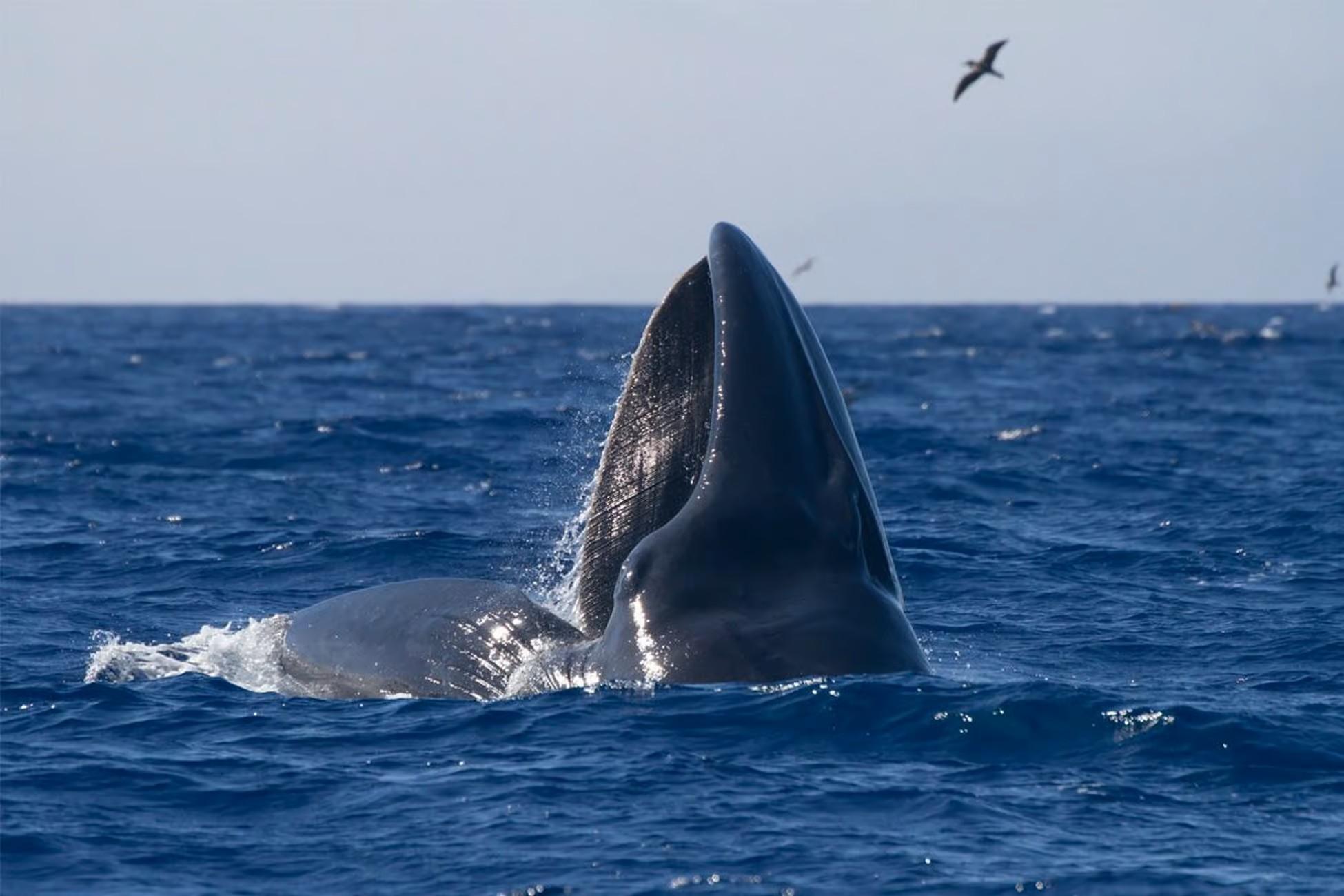
You arrive at Cais de Santa Cruz in mid-morning, when the stone quay is quiet and the laboratory doors are open. Inside, a marine biologist briefs your group on the day's target species — sperm whales have been sighted thirty kilometers offshore, and a pod of common dolphins is tracking a baitball closer to shore. You step aboard the research vessel, a rigid inflatable built for speed and stability, and claim a spot along the rail. The boat clears Horta's harbor wall and accelerates west, spray lifting in sheets as the hull skips over Atlantic swells. Twenty minutes out, the spotter's radio crackles: a blow, two o'clock, eight hundred meters. The captain cuts the engine and the biologist scans with binoculars, calling out behavioral cues — the whale is logging at the surface, resting between dives. You watch the dark ridge of its back roll forward, the blowhole exhaling a angled spout, then the broad flukes lift clear and slide under. The hydrophone goes into the water and the cabin fills with rhythmic clicks, deep and percussive, as the whale hunts squid in the abyss below. You photograph the fluke pattern for the photo-ID catalog, then the boat drifts in silence, waiting for the whale to surface again eight minutes later, closer now, its scarred head breaking the waterline ten meters from the bow.

Frequently asked

Naturalist Science & Tourism Whale Watching Horta FAQs

What are the opening hours for the office?

The office of Naturalist Science & Tourism is open daily from 00:00 to 23:59, though scheduled boat expeditions depart at 09:00 and 14:00.

How can I purchase Naturalist Science & Tourism Whale Watching Horta tickets online?

You can secure Naturalist Science & Tourism Whale Watching Horta tickets online through the official platform or at the Cais de Santa Cruz office.

Where is the meeting point for Naturalist Science & Tourism Whale Watching Horta tours?

The meeting point is the Naturalist Science & Tourism base lab located at Cais de Santa Cruz, Loja A1, Horta.

What is the cancellation policy for a Naturalist Science & Tourism Whale Watching Horta tour?

Under the Naturalist Science & Tourism Whale Watching Horta guidelines, trips cancelled due to rough weather are fully refunded.

Are young children allowed on the Naturalist Science & Tourism Whale Watching Horta boat expeditions?

Children must be at least 5 years old to participate in the boat tours offered by Naturalist Science & Tourism.

What is the recommended dress code for Naturalist Science & Tourism Whale Watching Horta trips?

Guests should wear flat shoes and windproof layers to stay comfortable on the open water.

Is the Naturalist Science & Tourism Whale Watching Horta base lab wheelchair accessible?

The Naturalist Science & Tourism base lab is fully wheelchair accessible, but the rigid inflatable boats are not due to boarding steps.

Are refreshments provided during a Naturalist Science & Tourism Whale Watching Horta tour?

No food or drinks are served on board, but you can bring a personal water bottle.

What happens in bad weather on a Naturalist Science & Tourism Whale Watching Horta trip?

If conditions are unsafe, Naturalist Science & Tourism will attempt to reschedule your trip or provide a full refund.

Can I bring large bags on a Naturalist Science & Tourism Whale Watching Horta vessel?

Large luggage cannot be taken on the boats but can be stored at the Naturalist Science & Tourism base lab.